

Meet our Seniors
Class of 2026
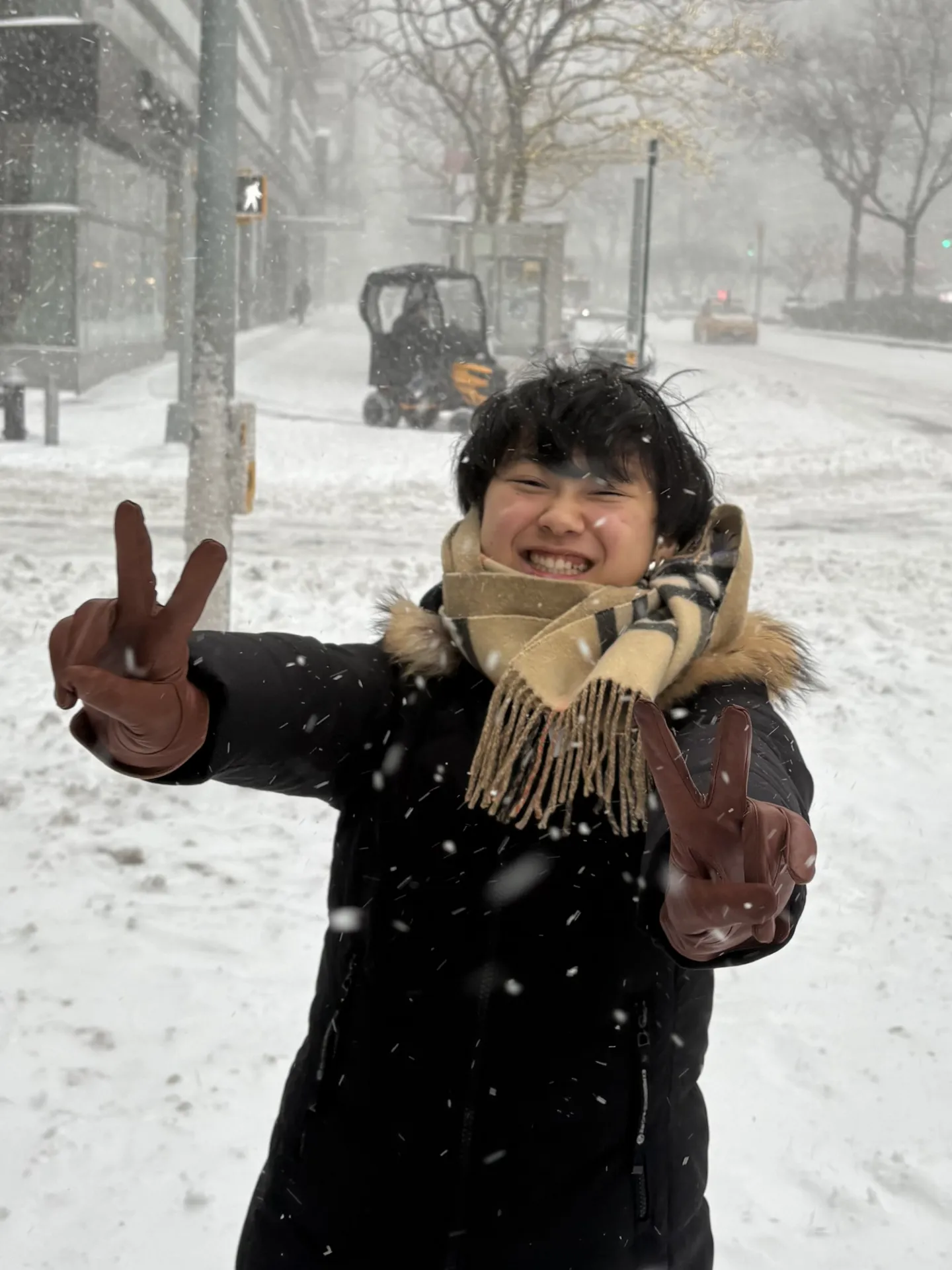
My name is Yan and I'm a current senior studying Linguistics and Modern Greek. My first encounter with the language occured in freshman year, when I first read C.P Cavafy's "The Horse of Achilles" in Literature Humanities. Afterwards, I ended up picking up the language and taking more classes on Modern Greek literature and history. Despite not having a drop of Greek blood in my veins, I was immediately welcomed into the Greek community with open arms; as I learned the sounds of my new language, I found my own voice and sense of confidence.
My main interests lie in translation, comparative literature, and language contact. I am currently working on two senior theses, one focusing Modern Greek language acquisition in the Chinese immigrant population of Athens, and the other comparing the post-Junta "Generation of the 70's" of Greece to the post-Cultural Revolution "Misty Poets" of China.
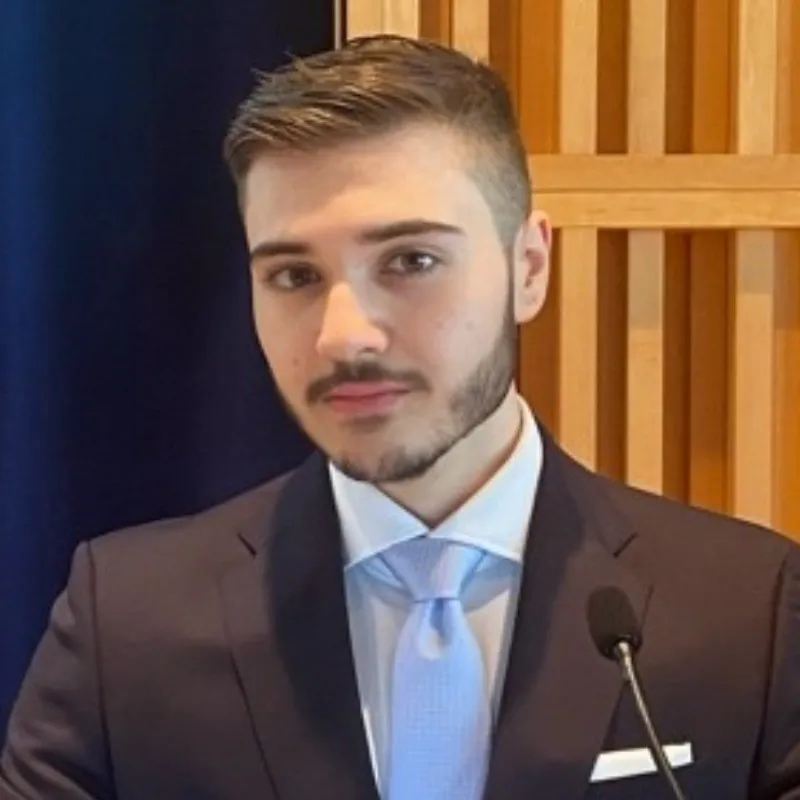
I pursued Modern Greek Studies at Columbia to deepen my connection to my heritage and to understand contemporary Greek life in a more thoughtful and informed way. Serving as Co-President of the Columbia Hellenic Society has shown me how powerful it is to bring Greeks and friends of Greece together, and the program embodies that exact sense of community. The classes I took have strengthened my language abilities, expanded my perspective on culture and identity, and helped me feel more rooted in a tradition that continues to grow and change. The program has been an essential part of my experience at Columbia and a source of both learning and belonging.
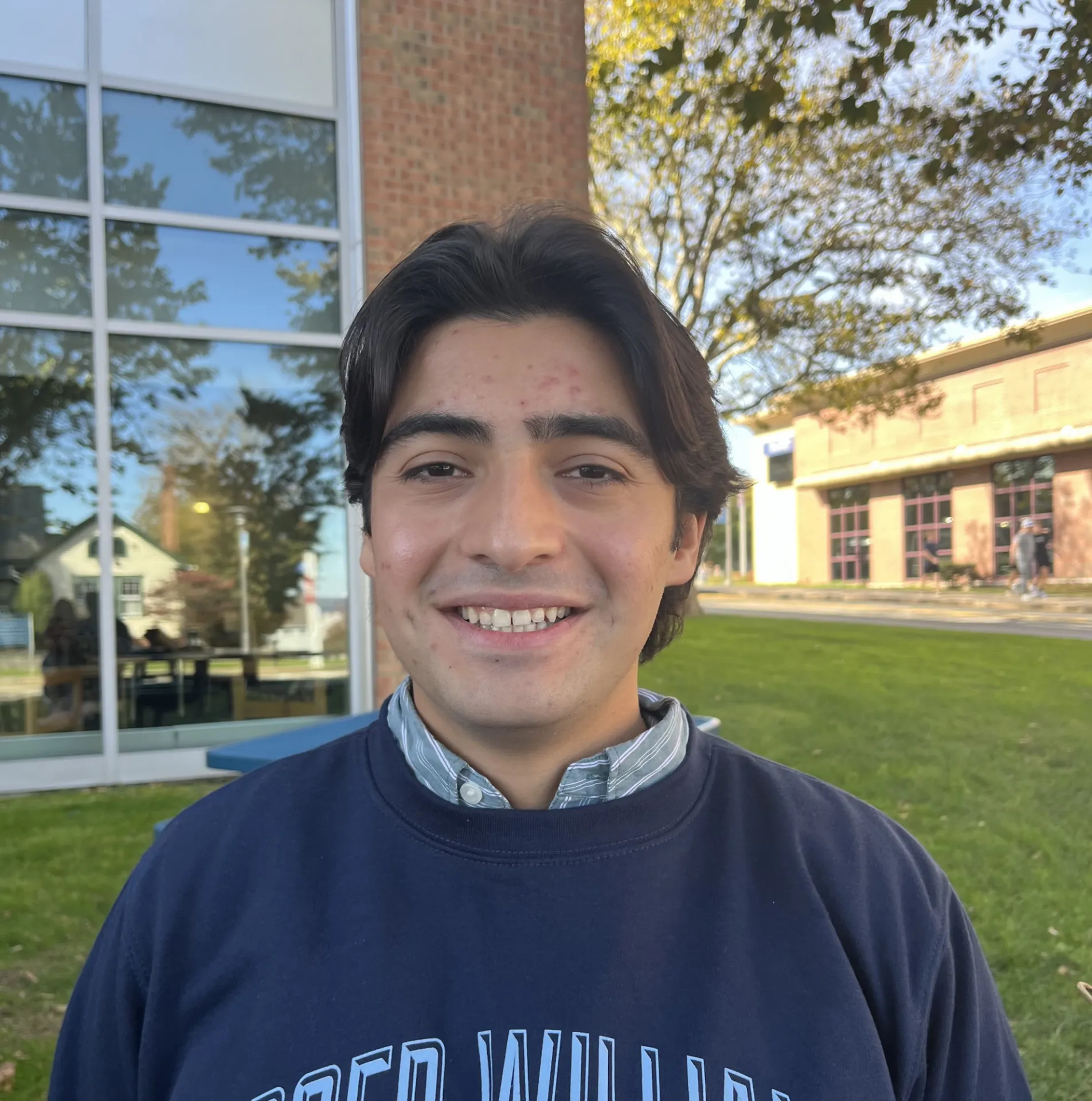
Lucas Alfaro is a graduating senior minoring in Modern Greek Language, Literature, and Culture. In addition to that focus, he is also studying History and Creative Writing as his majors. Lucas's interest in Greece and Greek culture comes from his maternal Grandfather, who was a Greek immigrant to the United States. Lucas is writing a thesis in the Program that will focus on Oral History as a method of storytelling in the Greek diaspora. Outside of class, Lucas enjoys reading, writing, cooking, and watching sports.
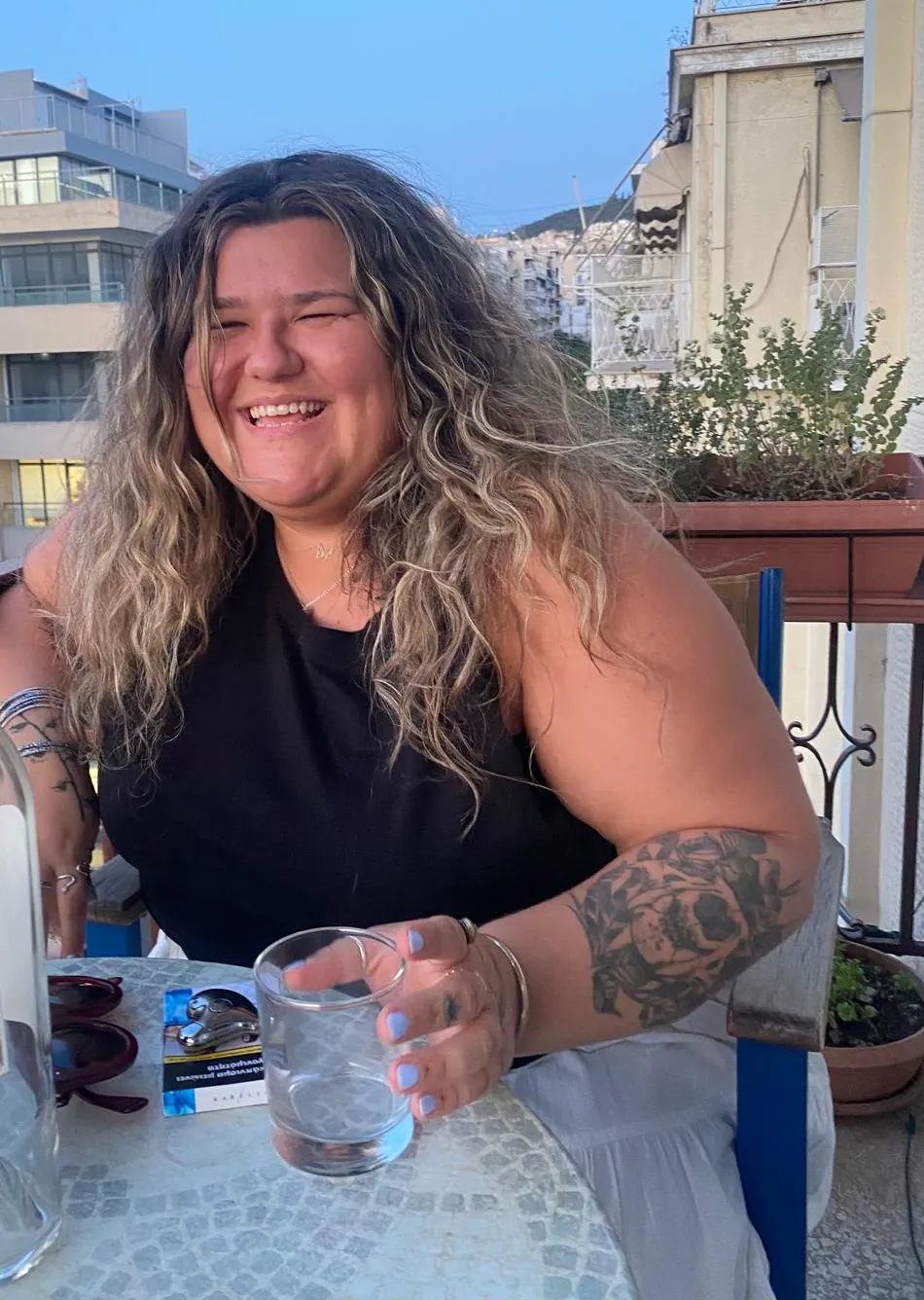
I am currently a senior in the School of General Studies, majoring in English with a concentration in Hellenic Studies. I became interested in studying Modern Greek while spending holidays in Athens; it was not the classical elements that I connected with, but the people, the everyday movements in the city, and the sounds of the language. Though I am not Greek by heritage, it is through Greece and through the Department that I have found both second homes and secondary aspects of myself. I am currently working on a senior thesis based on my ongoing translations of the singer Arleta’s illustrated book titled Από πού πάνε για την ‘Ανοιξη;, which will explore the artistic self through multimodal forms of expression.
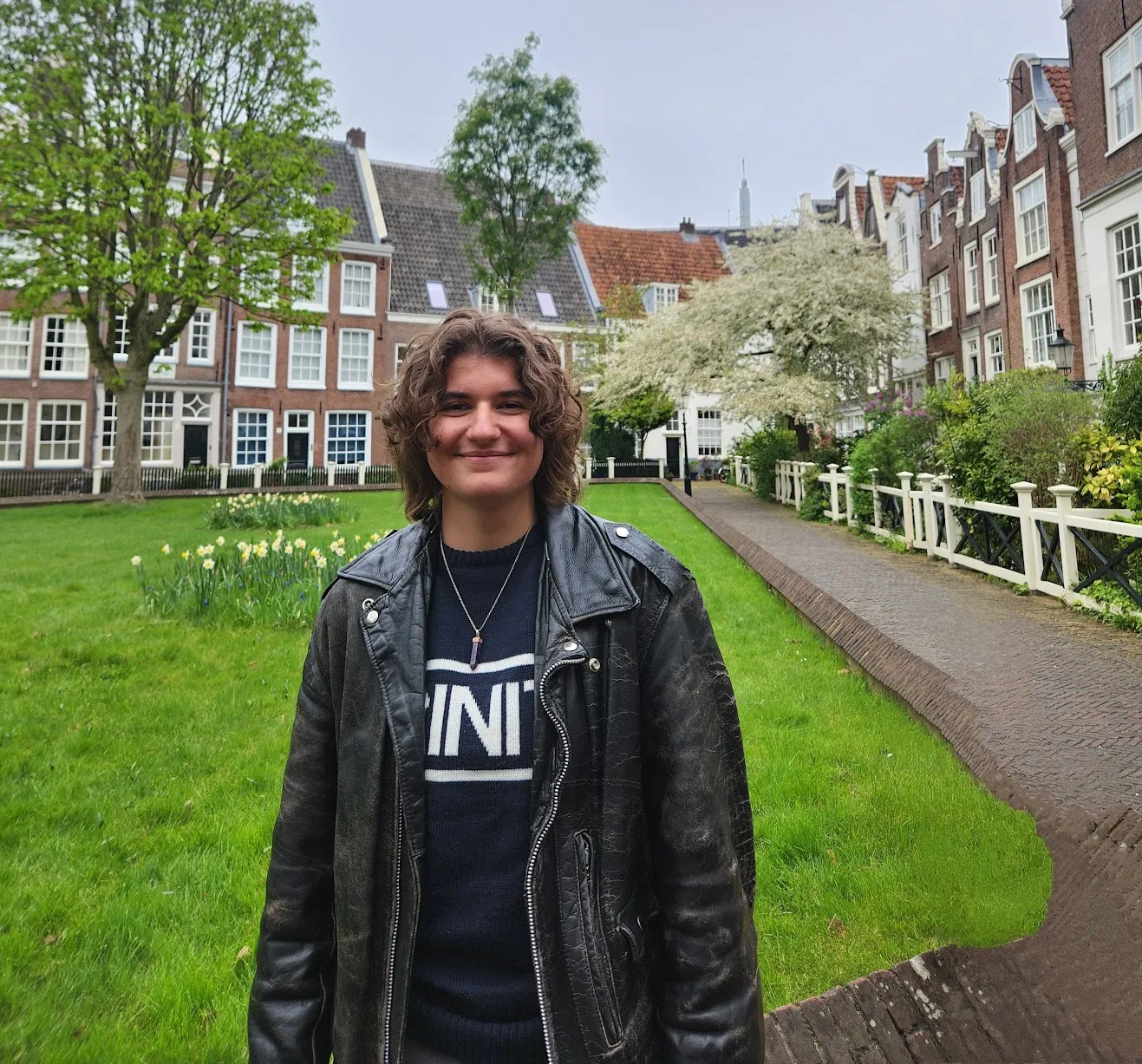
I am an astrophysics major pursuing a special concentration in Modern Greek. As a Greek-American who grew up dreading Greek school, I was excited by the opportunity to study Greek language as an adult, with a deeper appreciation for the language and connection to my heritage. After taking the Intermediate Modern Greek sequence in my first year, I was eager to further my studies of Greek, compelled by historical questions of diaspora, ‘Greekness,’ and Greek-American identity. Exploring these questions in the myriad of interdisciplinary classes I have taken in the department has been incredibly intellectually enriching. Furthering my studies of Modern Greek has been a highlight of my college experience for which I am incredibly grateful.
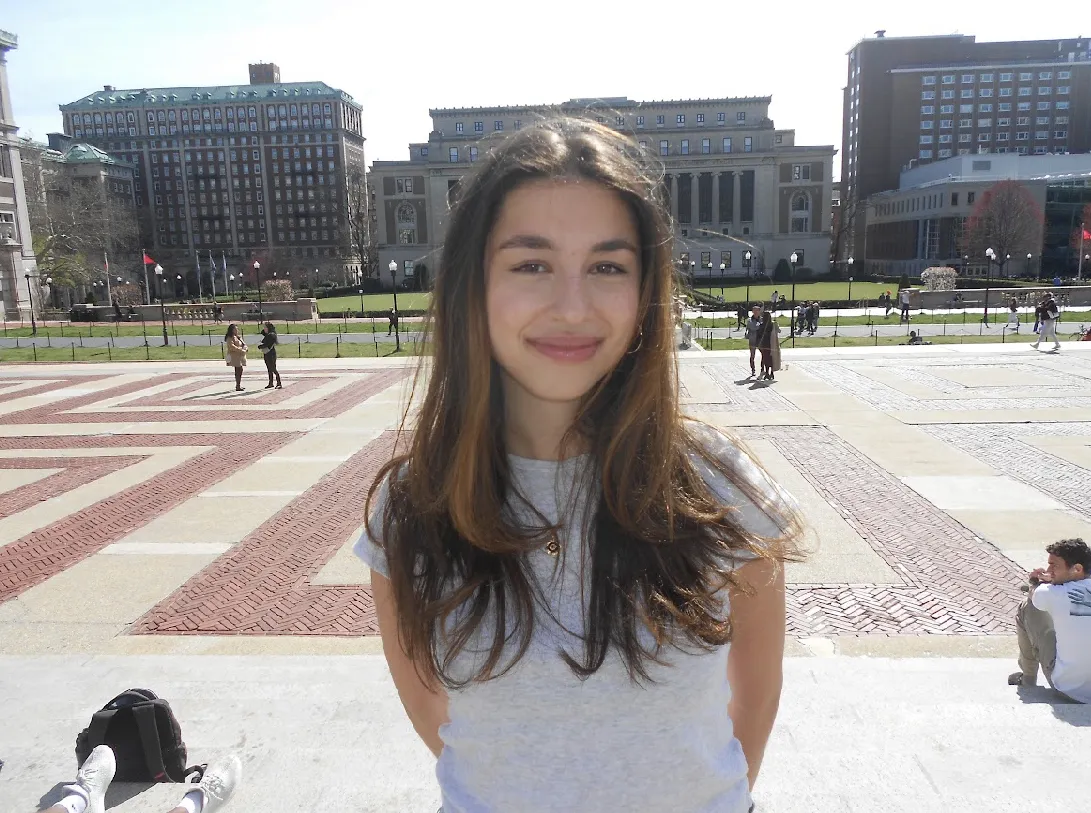
Growing up in Los Angeles, I unfortunately wasn’t surrounded by a large Greek community. When I arrived at Barnard, I was eager to connect with the school’s Greek community and to more deeply cultivate my relationship with my Greek identity. After my sophomore year, I decided to pursue a minor in Modern Greek to strengthen my language skills and further explore Greek culture, history, and politics. One of the most meaningful courses I’ve taken at Barnard was Greece Today, where my peers and I engaged in lively weekly debates and discussions in Greek about contemporary political and cultural issues. It was incredibly rewarding to take the skills I developed in that class and use them to discuss Greek politics with my parents. Overall, pursuing the Modern Greek minor has been an integral part of my college experience. As I apply to graduate programs in international relations, I plan to draw both on the debates and ideas that emerged from discussions in my Modern Greek classes!
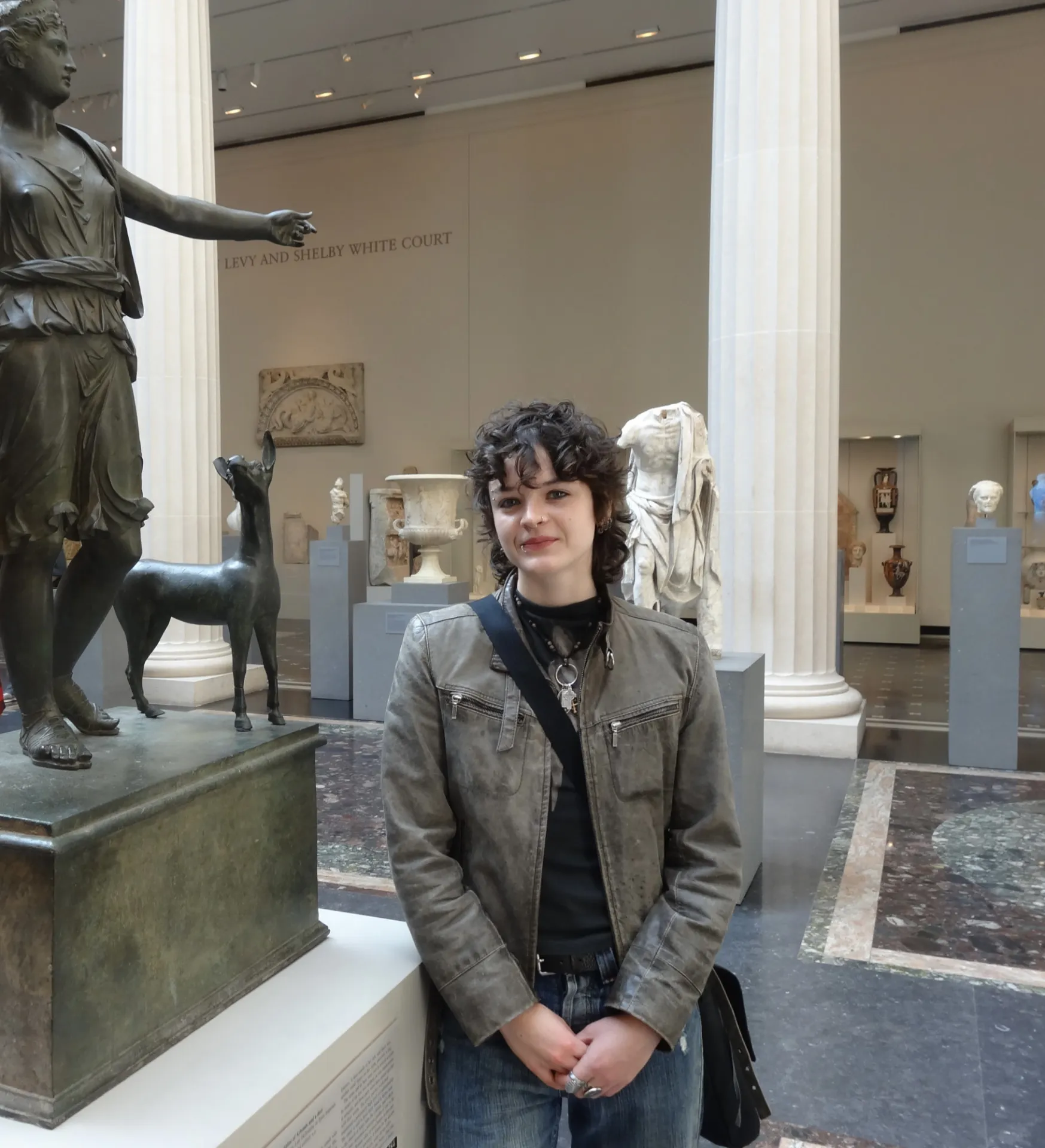
As a Classics major, I was drawn to the Hellenic Studies minor because of the unique ways it allowed me to further my passion for making Classical texts, artwork, poetry, and prose both accessible and enjoyable to modernity. In this program, I’ve explored topics such as the linguistics of diaspora, the afterlives of Classical tradition in contemporary Greek poetics, as well as theories and practices of translation. Studying such subjects has informed much of my creative and academic work, including my original translation of Horace’s Odes and The Magic of Translation, an independent project with the Columbia Undergraduate Scholars Program focused on “destranslating” ancient ritual objects.